
The Embreier MethodLa méthode Embreier
One sequence.
One standard.Une séquence.
Un standard.
Every week follows the same Arc: Move, Pause, Make, Belong. The rhythm stays familiar. Inside it, the challenge, the materials and the educator’s response change with the child and the moment.Chaque semaine suit le même Arc : Move, Pause, Make, Belong. Le rythme reste familier. À l’intérieur, le défi, les matériaux et la réponse de l’éducateur changent avec l’enfant et le moment.

4
PhasesPhases
Move · Pause · Make · BelongMove · Pause · Make · Belong
90 min
Weekly ArcArc hebdomadaire
a fixed sequenceune séquence fixe
8
ChildrenEnfants
one consistent educatorun éducateur constant
1
Weekly observationObservation hebdomadaire
one moment, written for the familyun moment, écrit pour la famille
The ArcL’Arc
Four phases, every week.Quatre phases, chaque semaine.

01
Move
Movement gives the day’s energy a direction and brings the group into a shared rhythm.Le mouvement donne une direction à l’énergie du jour et installe un rythme commun.
02
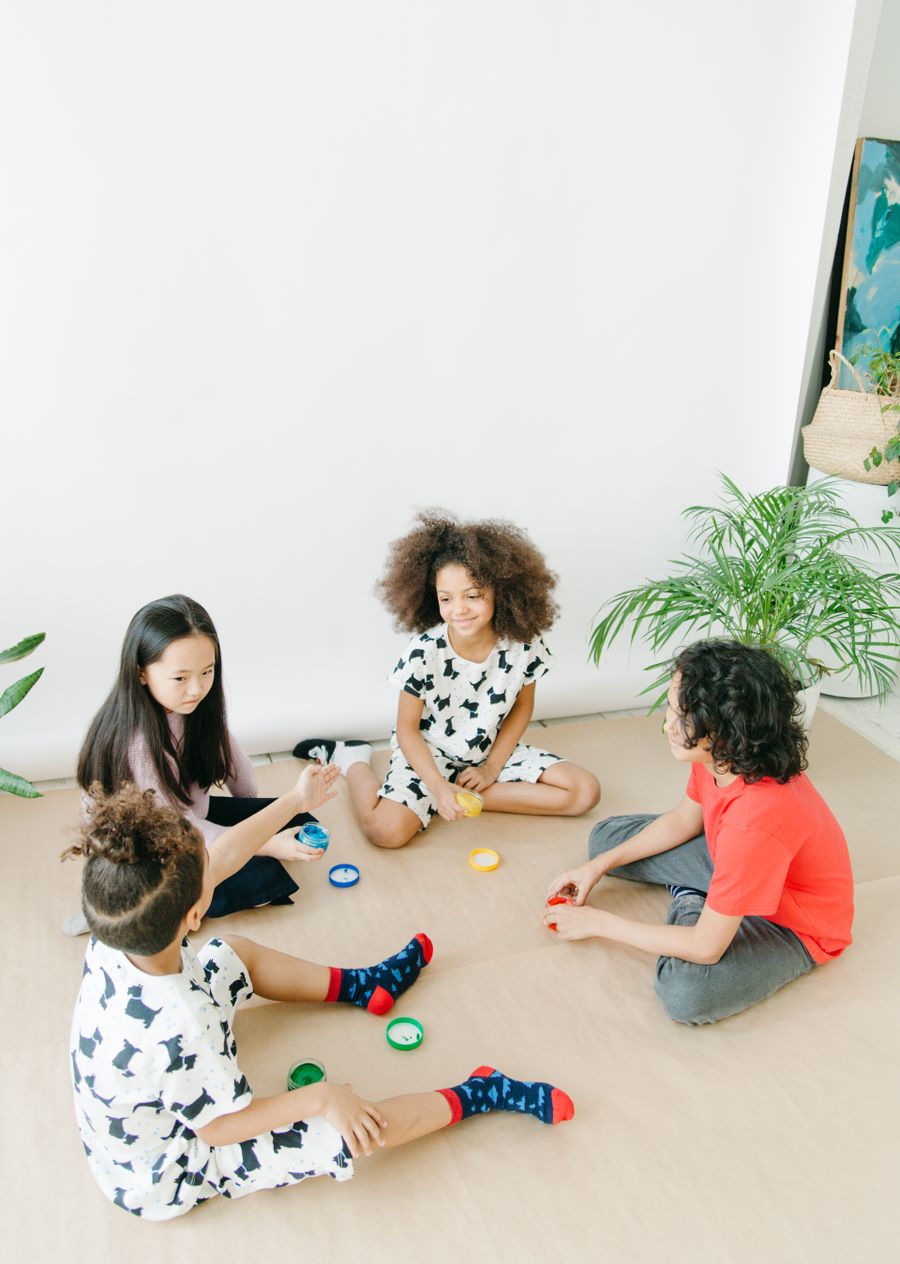
Pause
The pace lowers. Children notice what they need and prepare themselves for sustained attention.Le rythme s’apaise. Les enfants perçoivent ce dont ils ont besoin et se préparent à une attention soutenue.
03
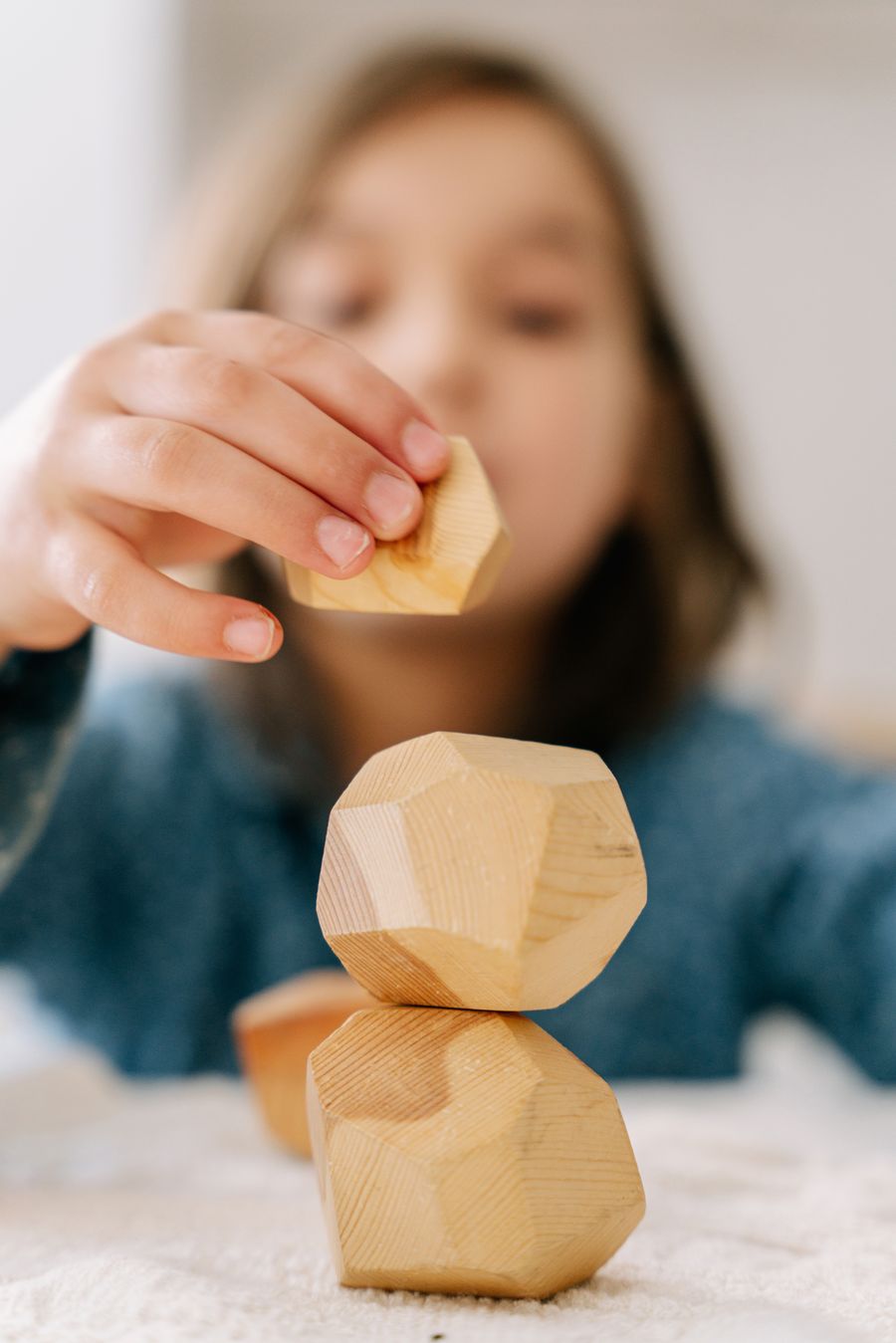
Make
Attention deepens through making: choosing, meeting difficulty and staying with the work.L’attention s’approfondit par la création : choisir, rencontrer la difficulté et rester dans le travail.
04
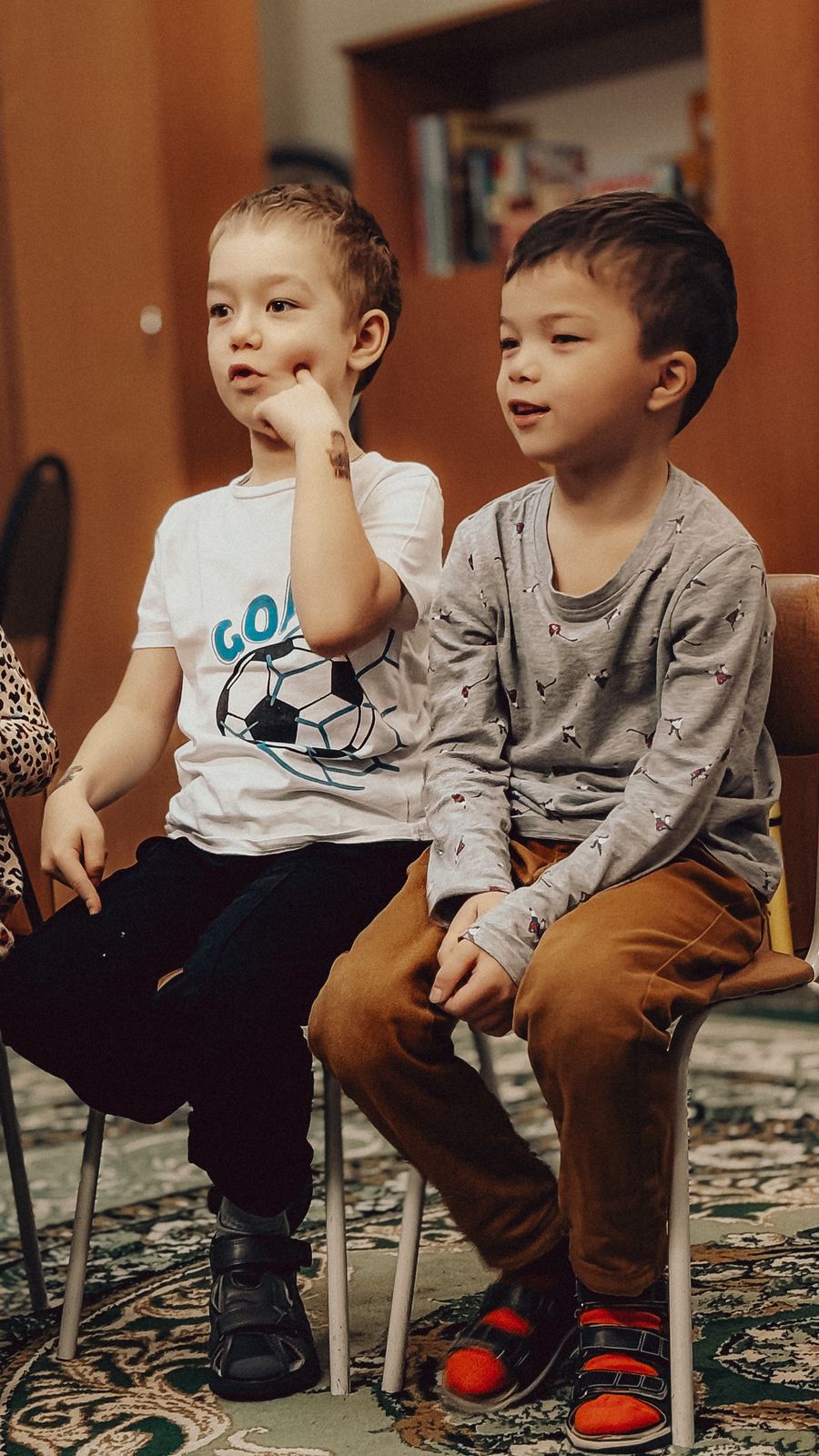
Belong
The work returns to the group through sharing, listening, inclusion and repair.Le travail revient au groupe par le partage, l’écoute, l’inclusion et la réparation.
Each week begins on familiar ground.
Familiar structure leaves more attention available for what happens inside it.Chaque semaine commence en terrain connu.
Une structure familière libère l’attention pour ce qui s’y vit.

A station, prepared before the children arrive.Une station, préparée avant l’arrivée des enfants.
The room is prepared before the child arrives. Materials change. The structure holds.La salle est préparée avant l’arrivée de l’enfant. Les matériaux changent. La structure tient.
Fixed and adaptedFixe et adapté
What stays familiar.
What changes with the child.Ce qui reste familier.
Ce qui change avec l’enfant.
FixedFixe
01
Arc orderL’ordre de l’Arc
Move, then Pause, then Make, then Belong.Move, puis Pause, puis Make, puis Belong.
02
Weekly doseLa dose hebdomadaire
Ninety minutes, once a week, every week.Quatre-vingt-dix minutes, une fois par semaine, chaque semaine.
03
Educator stanceLa posture de l’éducateur
Observe before intervening.Observer avant d’intervenir.
04
Group structureLa structure du groupe
Eight children with a consistent educator.Huit enfants avec un éducateur constant.
AdaptedAdapté
01
MaterialsLes matériaux
Selected for the age and the group.Choisis pour l’âge et le groupe.
02
Developmental focusL’axe de développement
The capacity being practised.La capacité travaillée.
03
Educator responseLa réponse de l’éducateur
Sized to the child and the moment.Ajustée à l’enfant et au moment.
A familiar session depends on more than four familiar names.Une séance familière tient à plus qu’à quatre noms familiers.
28
observable points in the delivery standard.points observables du standard de mise en œuvre.
Move
Pause
Make
Belong
Indicative weight across the Arc, shown for scale.Poids indicatif au fil de l’Arc, donné pour l’échelle.
Four visible phases sit above a more detailed delivery system: how the Arc is held, how the group is read, how the response is sized and whether the child still has room to act.Quatre phases visibles reposent sur un système de mise en œuvre plus détaillé : comment l’Arc est tenu, comment le groupe est lu, comment la réponse est dosée et si l’enfant garde une marge d’action.
The standard guides delivery. It does not grade the child.Le standard guide la mise en œuvre. Il ne note jamais l’enfant.
-->The standard measures how a session is delivered.Le standard mesure la manière dont la séance est menée.
Inside the standardÀ l’intérieur du standard
Balances the educator holds.Les équilibres que tient l’éducateur.
When to step in. When to leave room.Quand intervenir. Quand laisser de la place.
FreedomLiberté
StructureStructure
ConnectionLien
IndependenceAutonomie
RestRepos
EffortEffort
Example: energy has dropped after sustained effort, so the educator moves the group toward rest.Exemple : l’énergie a baissé après un effort soutenu, l’éducateur ramène le groupe vers le repos.
Three illustrative elements from the delivery standard. Position changes with the child, the group and the moment.Trois éléments illustratifs du standard de mise en œuvre. La position change avec l’enfant, le groupe et le moment.
What families seeCe que voient les familles
One concrete moment, each week.Un moment concret, chaque semaine.
Weekly note · Week 5Note hebdomadaire · Semaine 5
During Make, she chose the more difficult material, set it aside, returned to it, and finished.Pendant Make, elle a choisi le matériau le plus difficile, l’a mis de côté, y est revenue, et a terminé.
Why it matters: returning to a difficult task and finishing builds frustration tolerance.Pourquoi c’est important : revenir à une tâche difficile et la terminer construit la tolérance à la frustration.
Written by the group educatorRédigée par l’éducateur du groupe
Human capacities become visible in ordinary moments: staying with something difficult, including someone else, trying again, repairing after friction.Les capacités humaines deviennent visibles dans des moments ordinaires : rester dans la difficulté, inclure quelqu’un, réessayer, réparer après une friction.
Families receive one concise observation and, where useful, one way to support the same capacity at home.Les familles reçoivent une observation concise et, lorsque c’est utile, une manière de soutenir la même capacité à la maison.
The bandsLes étapes
One method, growing with the child.Une méthode qui grandit avec l’enfant.
Root runs weekly now. The same Arc extends with age.Root a lieu chaque semaine. Le même Arc se prolonge avec l’âge.
Root
4–9
Regulation, sustained attention, creative persistence and social repair.Régulation, attention soutenue, persévérance créative et réparation relationnelle.
Open nowOuvert
Rise
10–12 · Growing autonomyAutonomie croissante
Independence, social judgment and identity as children choose how they participate.Indépendance, jugement social et identité, à mesure que l’enfant choisit sa manière de participer.
In developmentEn développement
Reach
13–15 · Self-directionAutodétermination
Autonomy, judgment and voice as young people shape how they contribute.Autonomie, jugement et voix, à mesure que les jeunes façonnent leur manière de contribuer.
In developmentEn développement
Beyond the roomAu-delà de la salle
Bring the method into the system you already have.Intégrez la méthode au système que vous avez déjà.
Schools and faculties add a shared developmental practice around children, educators and families, and keep their own curriculum, culture and setting.Écoles et facultés ajoutent une pratique développementale partagée autour des enfants, des éducateurs et des familles, en gardant leur programme, leur culture et leur cadre.